Village
Portraits
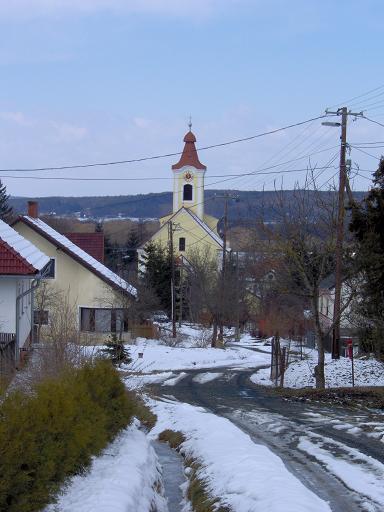
In Alsószölnök / Dolnji Senik, which lies seven kilometers away
from Szentgotthárd, Slovenes, Germans and Hungarians have been living together
for centuries. In 1378, this community was documented by name for the first time (as Zelnuk inferior et superior). The River Raba, which originates
in Austria, flows into Hungarian state territory near Alsószölnök. One of the
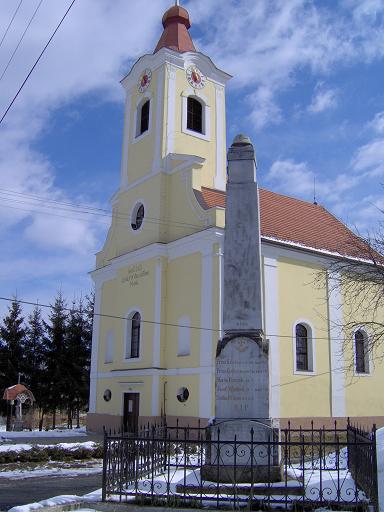
objects of interest of Alsószölnök is the church, which was built in
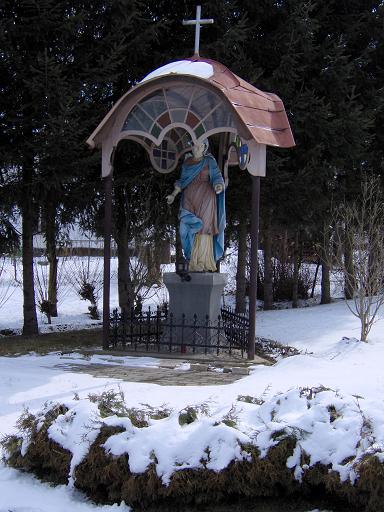
classicistic style in 1815 and was renovated in 2001. Next to this church you
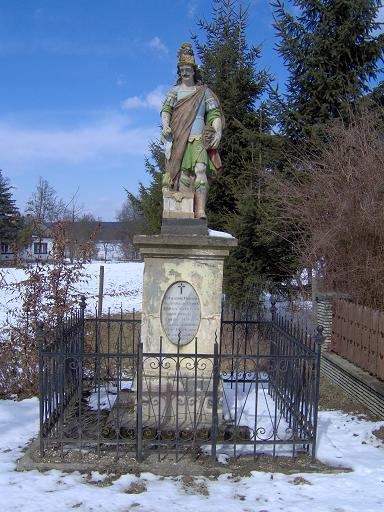
can find a statue of the Virgin Mary and a memorial, which commemorates World
War I and II. A hill, which is located behind this very church, offers the
visitor a stunning view of both the River Raba and of some locations, which are
situated across the border in Austria.
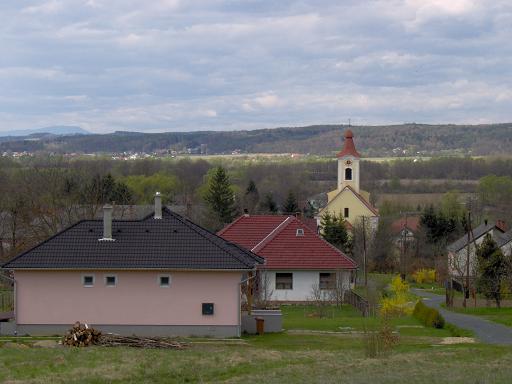
The settlement with scattered buildings is
characteristic for Apátistvánfalva / Števanovci,
which lies about seven kilometers away from Szentgotthárd as well. This village
structure features houses, which have been built separately, scattered on
picturesque hill slopes. In 1350, Apátistivánfalva was documented by name for
the first time. Its inhabitants were the bond slaves of the Cistercian abbey of
Szentgotthárd. The church of Apátistvánfalva was built in 1786. The patron and
eponym of the village is the Cistercian abbot Harding St. Stephan.

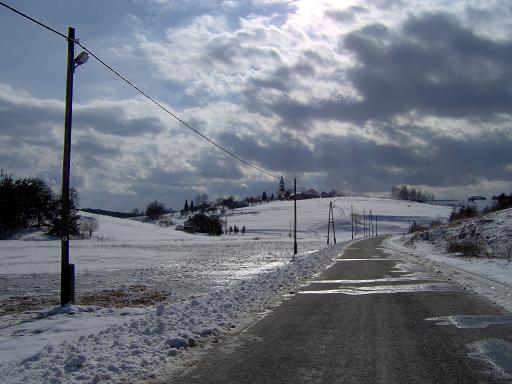
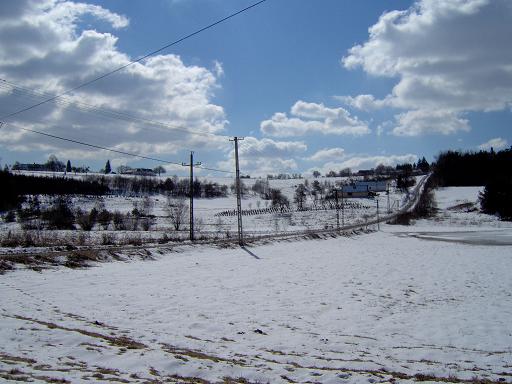
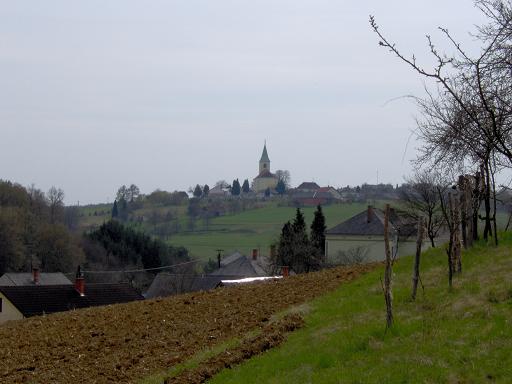
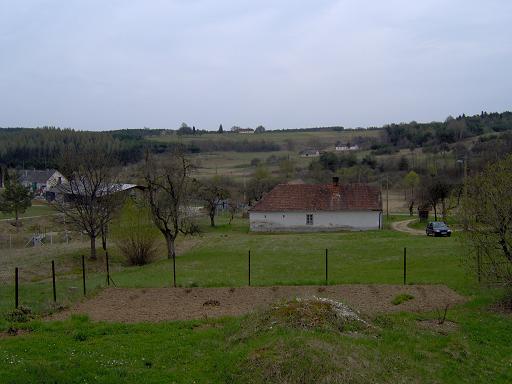
The most western location of Hungary is the community
of Felsõszölnök / Gornji Senik,
which lies a few steps from the border triangle of Slovenia, Hungary and
Austria. Furthermore, Felsõszölnök is the village with the highest
density of Slovene-speaking inhabitants, in which the registered seat of the
national self-administration of the Slovenes in Hungary is situated as well:
90% of the population is of Slovene descent. In 1378, Felsõszölnök was
documented by name for the first time as Zelnuk
superior. On the area of the former mayor villages of the Cistercian abbey,
which was endowed by King Béla III., the Slovenes from the Raba region founded
the settlements in this very region, which still exist today. Inter alia also
Felsõszölnök, which belonged to the large-scale landed property of Dobra
(Neuhaus – Austria) and which stood under the administration of the Batthyányi
family until mid 19th century.
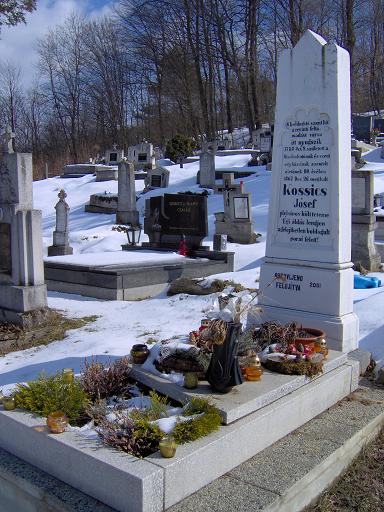
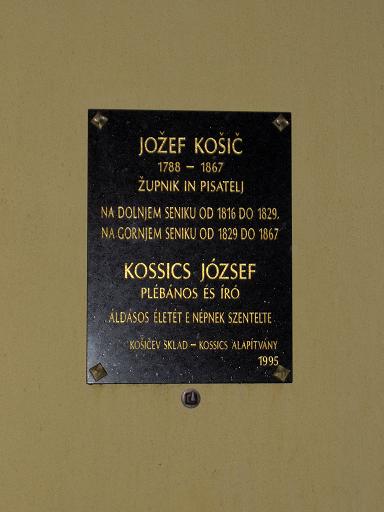
The most famous son of Felsõszölnök is the priest József Kossics
(1788 – 1867). What is more, he was a linguist, a historian and an ethnologist.
Furthermore, he wrote the first Slovene national monograph in Hungary and many
other volumes. On the cemetery of
Felsõszölnök you can find his tomb and on the wall of the village church
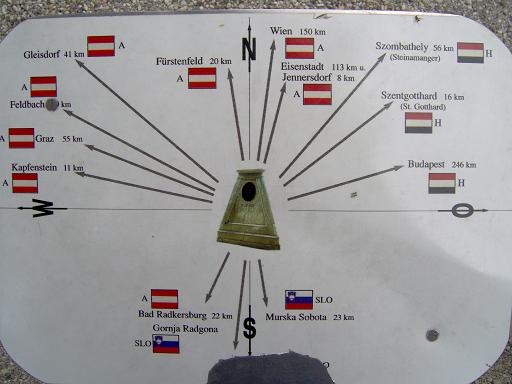
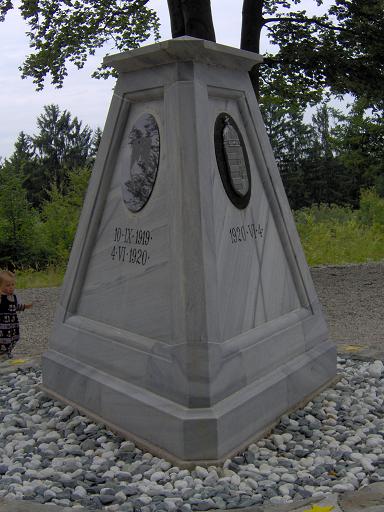
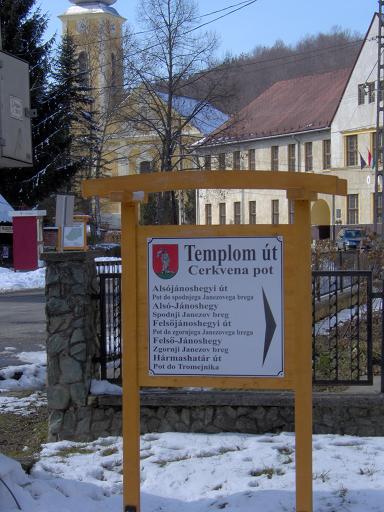
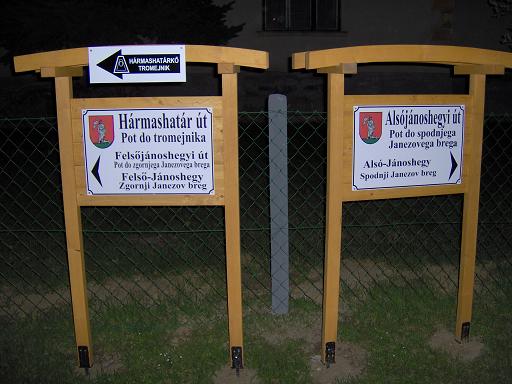
his memorial tablet. A trail leads from Felsõszölnök to the border
triangle landmark, which remembers the demarcation of Trianon.
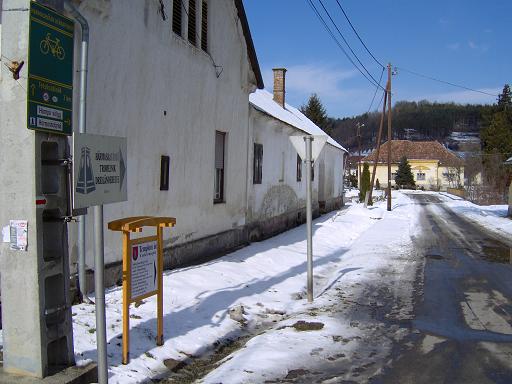
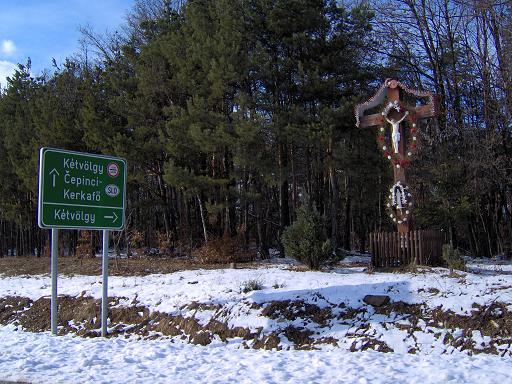
Kétvölgy / Verica -
Ritkarovci is
situated directly on the border of Slovenia. Since 2002 a permanent border
crossing exists between Kétvölgy and the neighboring Slovene village Čepinci.
Kétvölgy is also a settlement with scattered buildings, which occurs only in
this region of Hungary. Lush meadows, which are girded by magnificent
coniferous woodland, range between the separately scattered farms. As well as
the other Slovene-speaking settlements of the Raba region also Kétvölgy belongs
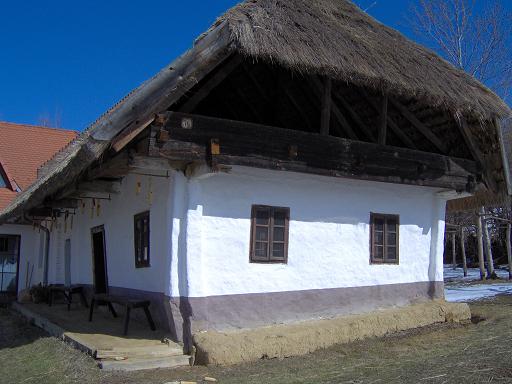
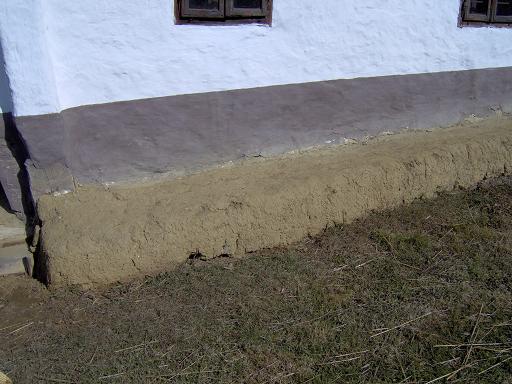
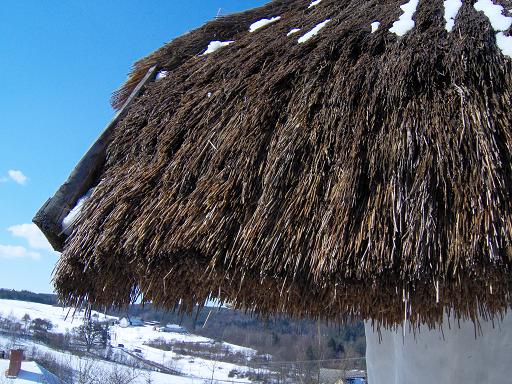
to the national park Örség. On 36 Main Street you can find a landmarked
renovated traditional house. The building has a straw roof, walls made of
mashed clay, a smoke kitchen and a clay floor.
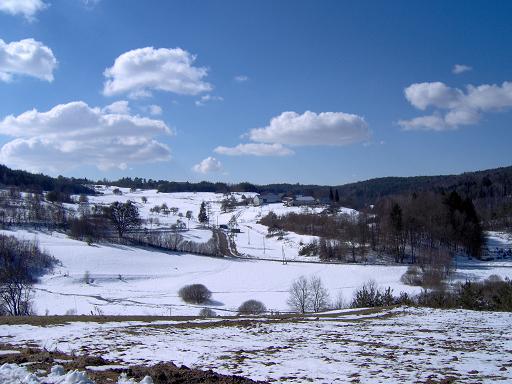
Orfalu / Andovci, with 58 inhabitants, is the
smallest Slovene-speaking community in the Raba region. Close to this village
lie the Black Lake and its surroundings, the rare flora and fauna of which
belong to the increasingly protected areas of the national park Örség. The
sphagna, which can be found on the Black Lake and bear witness to the last Ice
Age, are considered a curiosity in the evolutionary history of Hungarian fauna.
Still today, many mystical stories exist about the Black Lake. It is said that
there used to be a nice petty village with a church in its center where the
Black Lake is situated today, and that one day a woman was late for Sunday's
mass. She swore: "May this church go under!" All of a sudden the
earth started shaking and the church sank together with the whole village.
Thereupon the whole region of this former small village was covered with water.
Down to present day elder inhabitants say that every seven years the cross on
the church tower rises from the Black Lake during the full moon phase.

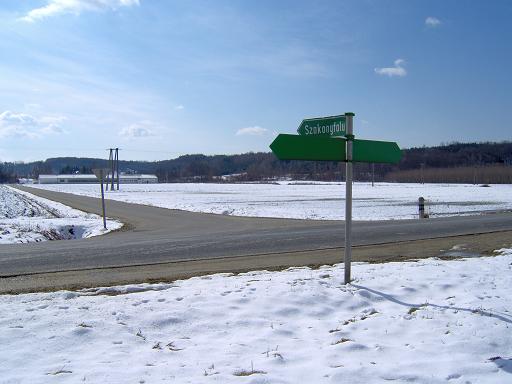
Szakonyfalu /
Sakalovci village,
which lies about six kilometers away from Szentgotthárd, is accessible by only
one road. The woodland of Szakonyfalu,
which is the biggest share of the community area, is an increasingly protected
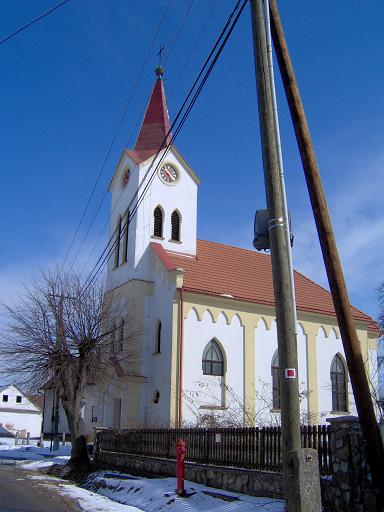
region of the national park Örség. The Roman-Catholic church, which was built
in 1922 and renovated in 2002, is considered one of the places of interest of
the village. Interestingly, Szakonyfalu was seen as the most western point of
Hungary for a long time. However, on closer examination of the map you
recognize that this is not the case. Since the true most western point of
Hungary, Felsõszölnök village, was hardly accessible before the border
opening (1990), the Hungarian Association of Nature Lovers defined the
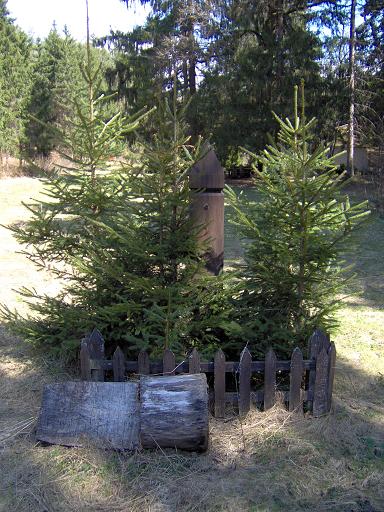
so-called "most western point" near the forester's lodge of
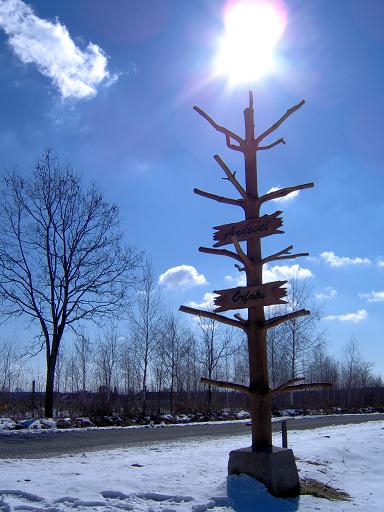
Szakonyfalu. A wooden pillar, which exists still today, commemorates this
"most western point".
Translation from Hungarian into English and summary: Joël Gerber
Source: "Szentgotthárd és térsége programajánló 2006 ";
Virtuart kft. (2006)
(The English texts
about the village portraits refer to the Hungarian original texts)
Photos: Tibor Horváth / Joël Gerber